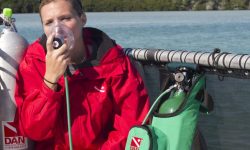
Happy June everyone!! We made it! Summer is here...put those bad memories of scraping frozen windshields and trudging through the slushy snow out of your mind and get ready to replace them with hot sunny days and warm summer nights. With the coming of this glorious weather also comes the possibility of you and your family visiting the beach. Playing at the beach is THE BEST, but there are some precautions to take while there to make it nothing but an enjoyable experience. That's why we are putting together a multi-part series on our blog about how to safely enjoy the beach and ocean.
This first installment of our Summer Safety 101 blog series will teach you how to manage marine life injuries. When visiting the beach there is a slight risk that you may encounter a rogue jellyfish, "sea-lice" (which are just jellyfish larvae) or a sting ray. If this happens there is no need to panic if you know the proper first aid for such injuries. OR, better yet, become the beach hero by helping someone else out that may become of victim of one such injury.
Follow these simple steps to treat marine life injuries:
 Envenomation First Aid
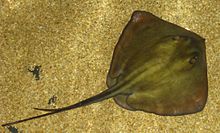
Envenomations can occur from contact with lionfish, stonefish, stingrays, sea urchins, etc. Signs and symptoms include puncture to the skin, sharp/stinging intense pain, protruding spines, swelling, blisters, skin discoloration, and nausea.
- Thoroughly wash area.
- Remove any spines with tweezers (except stingray spines; leave in to be removed at a medical facility).
- Control any bleeding.
- Immerse injury in the hottest freshwater the victim can stand as soon as possible. (**it is important to note with spiny envenomations the victim will get no relief and pain will continue to intensify until the injury is immersed in very hot water**)
- Seek medical evaluation at nearest facility.
 Stinging First Aid
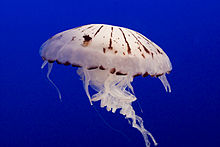
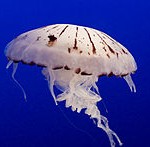
Stings can occur from contact with jellyfish, fire coral, anemones, and hydroids. Signs and symptoms include pain (some can be extreme), muscle cramps, welts, burning and itching, redness and swelling, blisters, nausea, and fatigue. Some stings can have rapidly progressing symptoms.
- Inactivate stinging nematocysts by rinsing wounds with generous amounts of plain white vinegar. DO NOT rinse with fresh water OR rub off animal remnants as this will cause the nematocysts (the stinging parts) to keep firing.
- Remove larger remaining pieces with tweezers (wear gloves!).
- Treat symptoms: pain relief with medications, anti-inflammatory creams, etc.
- Monitor for allergic reaction or infections.
- Seek medical evaluation for severe stings.
 Contact Injury First Aid
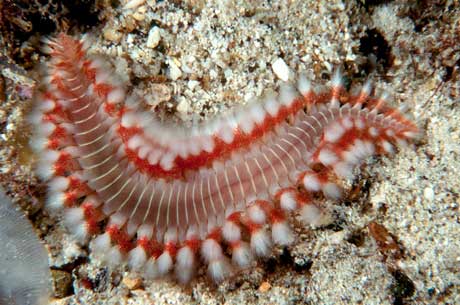
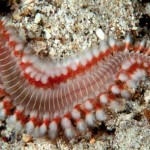
Contact injuries can occur from coming into contact with some sponges, corals and bristle worms. Signs and symptoms include sharp, stinging pain, localized redness, itching, swelling, burning and numbness sensations, blisters and bleeding associated with cuts or scrapes.
- Wash area with soap and water.
- Remove foreign material (tape may help with removing bristles).
- Control any bleeding.
- Monitor for infection.
Traumatic Injury First Aid
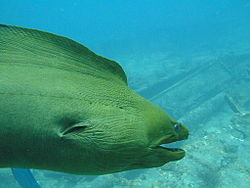 Although unlikely to happen, traumatic injuries can occur in the unlikely event that you are bitten by larger marine life such as a moray eel or shark. Signs and symptoms of a traumatic injury would be pretty obvious and can include severe bleeding and shock.
- Wash with soapy water.
- Control bleeding with direct pressure.
- Apply dressing to injury (never remove soaked dressings, just continue applying new dressings on top of old ones) and wrap dressing with bandage once bleeding has stopped.
- Seek medical evaluation.
Seafood Poisoning First Aid
Poisoning from seafood can occur from eating raw, undercooked or improperly stored fish and shellfish. Eating thoroughly cooked fish and shellfish containing ciguatera or during a red tide will still cause seafood poisoning. Signs and symptoms include abdominal pain, nausea, vomiting, diarrhea, numbness, itching and tingling, lack of muscle coordination, and sometimes paralysis.
- Monitor responsiveness.
- Contact local poison control center.
- Save eaten fish or vomitus for evaluation if possible.
- Seek medical evaluation.
Education is the key to preventing and treating possible marine life injuries. Now that you know the basics, it is easy to understand how to prevent them from happening to you, but if you, a family member, or even a stranger on the beach is unfortunate enough to come into contact with one of these animals you will be prepared to quickly respond in the appropriate way. To further your education in these matters check out the Hazardous Marine Life Injuries course we teach here at Underseas Scuba Center by DAN (Divers Alert Network). Now you are ready to have a fun and safe summer!