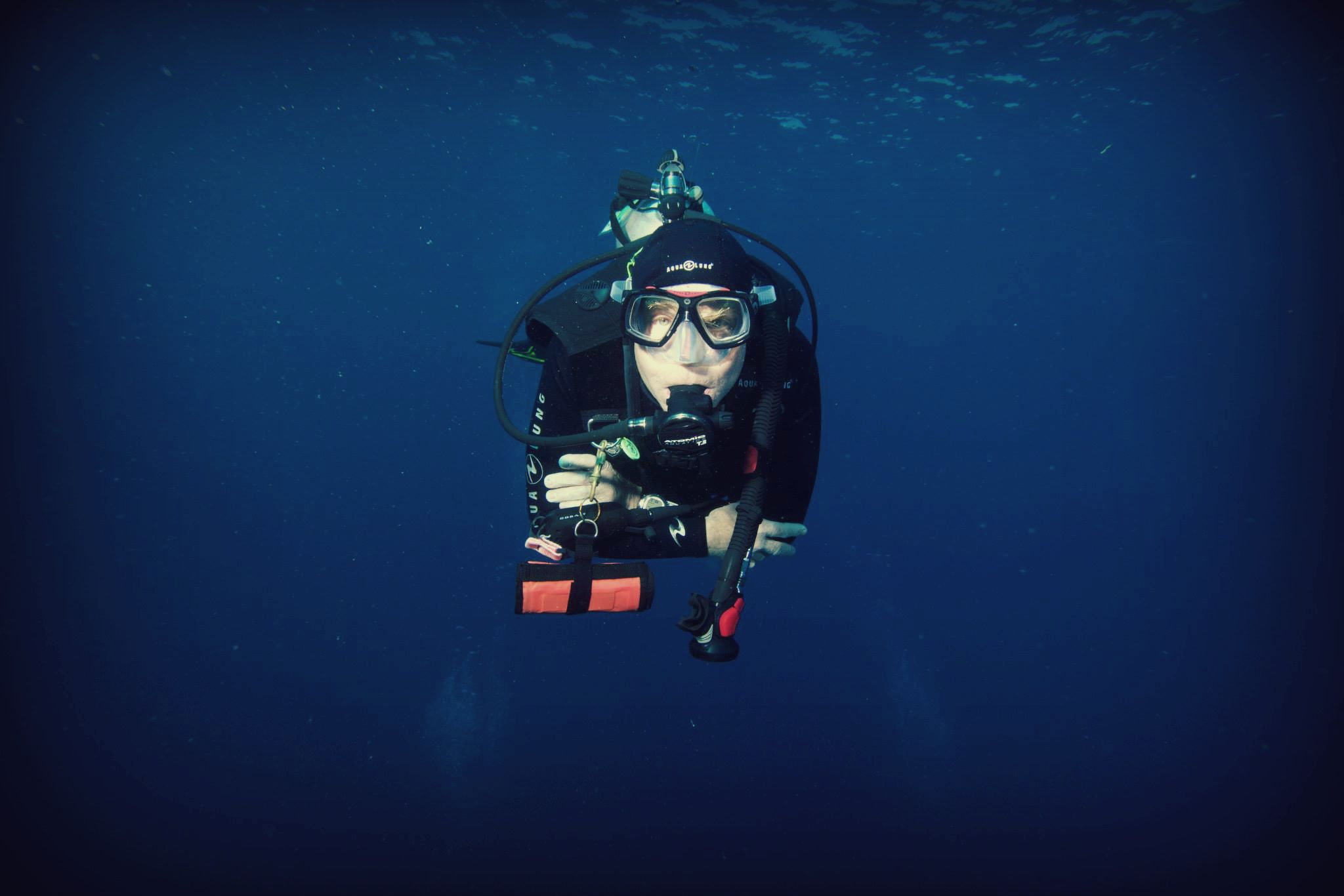
 Wetsuits.....most divers have a love/hate relationship with their wetsuit. Let's face it, you hate putting it on but you love staying warm. As we gear up for the cooler diving season we're going to kick off a mini-series all about wetsuits. By the time we are done you will know everything there is to know about wetsuits, and then some. You'll be able to walk confidently into your local dive store (hopefully ours!) and talk intelligently about the type of wetsuit you desire, you'll be able to care properly for your wetsuit (not letting it develop "the funk") and how to know when it's time for a new one.
Let's start off first with an overview of the types of wetsuits that are available out there and what they are best used for. There may even be some kind of suits you didn't even know existed!
The 5 Main Types Of Wetsuits Available Today:
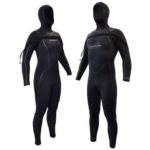 #1: The "Semi-Dry" Wetsuit

This is the thickest, warmest wetsuit you can possibly get your hands on. Most divers choose this kind of suit because they just don't want to deal with or learn how to use a drysuit, are not financially ready to invest in a drysuit, or just like diving wet. A semi-dry suit will usually zip across the chest and have an attached hood with an 8mm neoprene core thickness and 7mm arms and legs. Don't be fooled by the name though, this suit does not really keep you dry, it just typically has very good seals and is so thick that a minimal amount of water enters the suit. Check out our Semi-Dry suit from Aqua Lung.
#2: The 7mm Wetsuit
 One step down from the "semi-dry" wetsuit is a 7mm neoprene wetsuit. This suit is the thickets possible "normal" wetsuit you can find. It will serve you best diving in waters from about 50-60 degrees F. You can add a hood, booties, and gloves to keep you nice and warm in those lower 50's temps. One tip with this suit is to look for one made from hyperflex material, making it a bit more stretchy, as it can be a little tough putting on a wetsuit this thick. Check out this great AquaFlex 7mm wetsuit from Aqua Lung.
#3: The 5mm Wetsuit
 The 5mm neoprene wetsuit is sometimes the forgotten suit. A lot of divers will own a 7mm for their winter diving and then a 3mm for their summer diving, but in that transitionary time, they may be a bit too warm in the 7mm or a bit too cold in the 3mm. That's why it's always good to have a 5mm waiting in your dive locker for those in-between temps. This suit is best for diving in that 60-70 degree F temp range.
#4: The 3mm Wetsuit
 Most divers refer to this suit as their "warm water" suit. A 3mm wetsuit is best used when diving in warmer waters in the 70-85 degree F range. This is the typical wetsuit you will see when diving in the Caribbean or other tropical waters. Even when waters reach in the upper 80's don't be fooled into thinking you don't need a wetsuit. If you are on a dive vacation doing multiple dives per day, your core body temperature can drop, leaving you a bit more chilly on consecutive dives then you may normally feel.
#4: The Shorty
 The "shorty" is exactly that, a short wetsuit. This is a wetsuit with short-sleeved arms and legs. Most shorties come in a 2mm neoprene thickness. The advantages of this suit are that it is super easy to take on and off, and you get that little bit of extra warmth in your core area that you wouldn't have if you were "trunking" it (diving in your swimsuit). The disadvantage, however, is that you are giving up exposure protection on your forearms and legs so you need to be more careful about wearing sunscreen underwater, staying away from jellyfish, and not bumping into any coral or stinging hydroids. Check out our cool Shortie Wetsuits here.
#5: The "Skin"
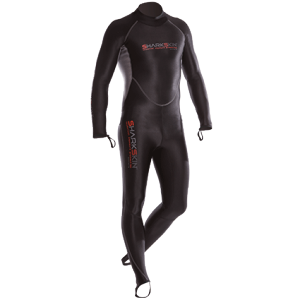 A skin is a suit not made of neoprene and is more for exposure protection to protect you against the above-mentioned things and not so much for warmth. If you are diving in very warm waters (above 85 degrees) a skin may be the best option for you. There have also been a lot of advances in the world of "skins" where they are using new and different types of materials that actually do offer some degree of warmth while feeling like you are just wearing a pair of pajamas underwater.
We hope this list of wetsuit descriptions will help you the next time you walk into a dive store and are overwhelmed with the amount and different types of neoprene haning all around the store. Stop into Underseas Scuba Center any time for help choosing your next wetsuit.